

Making wine from fresh grapes requires careful monitoring of must density, temperature, and strict sanitation. This guide walks you through the entire process to produce a clean, balanced beverage without off-flavors.
Grape Preparation and Equipment Sanitization
To produce a standard batch of 3.8 L, you will need about 8.2 kg of fresh grapes, yielding 5 standard 750 ml bottles.
Key steps in the preparation phase include:
- Destemming: completely separate the berries from the stems manually or with a crusher-destemmer, as stems add undesirable bitterness, elevate pH, and impart harsh tannins.
- Sanitization: sanitize fermenters, siphons, and transfer tubing using a solution made from 3 tablespoons of potassium metabisulfite per 1 gallon (3.8 L) of water to prevent bacterial contamination.
Must Sugar and Acidity Adjustments
Target sugar levels before fermentation should reach around 22 °Brix (specific gravity 1.098 SG), which corresponds to roughly 11% potential alcohol. Ripe fruit often registers between 22–24 °Brix.
Adjustments are made according to these metrics:
- Raising sugar: boil and chill a sugar syrup.
- Lowering sugar: if the specific gravity or sugar concentration is too high, dilute the juice with clean water.
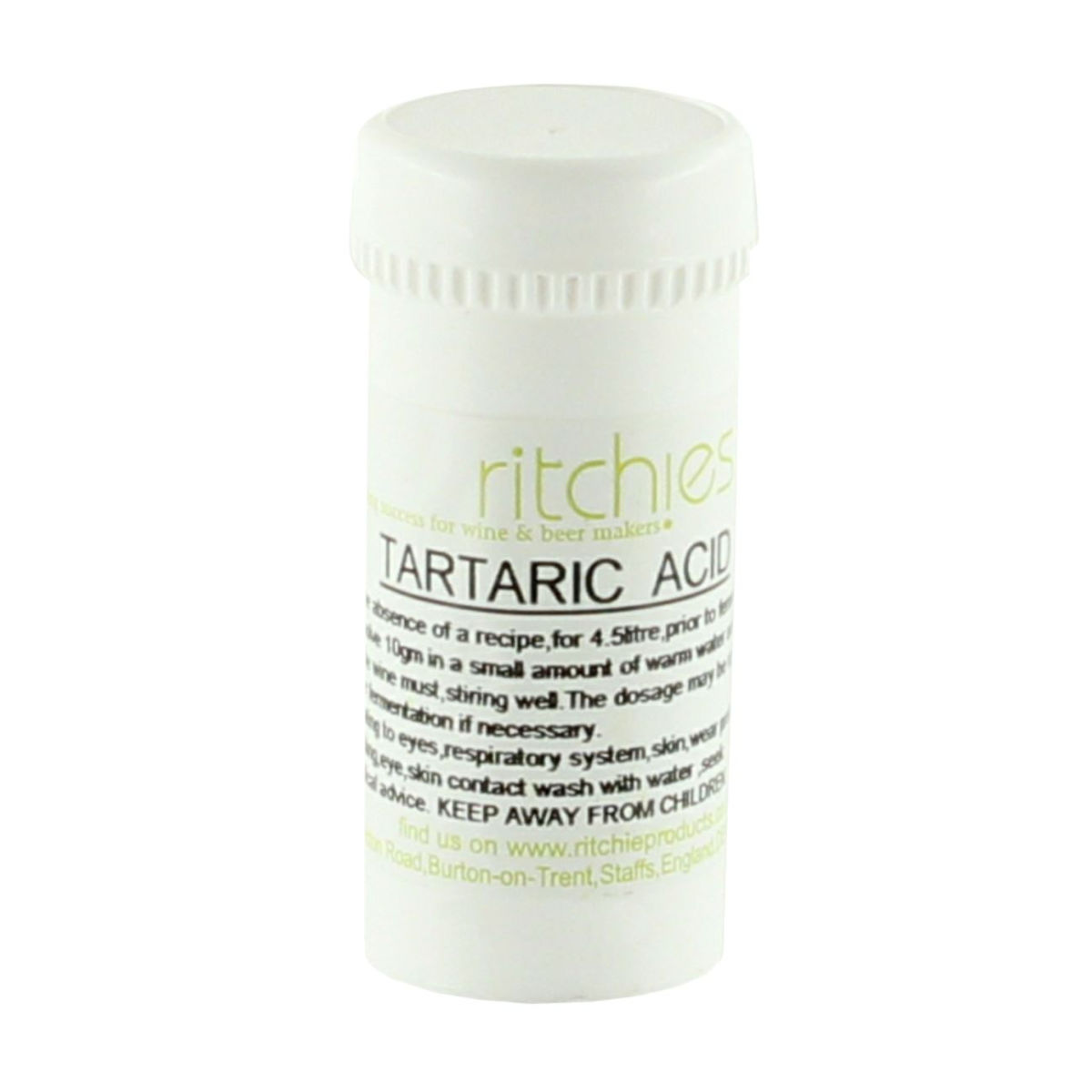
- Balancing acidity: adjust low acidity with tartaric acid in small doses (about 3.8 g per 3.8 L raises total acidity by 1 g/L).
| Metric | Red Wine | White Wine |
|---|---|---|
| Target Acidity | 6–7 g/L | 6.5–7.5 g/L |
| Target Sugar | 22 °Brix (1.098 SG) | 22 °Brix (1.098 SG) |
| Fermentation Temp | 21–24 °C | 13–18 °C |
Red Winemaking: Maceration and Fermentation
Red wine ferments together with grape skins, pulp, and seeds to extract rich color and tannin profile.
The procedure requires the following steps:
- Temperature control: keep must temperatures between 21–24 °C. Cool warm must with a reusable ice pack stirred for a few minutes; warm cold juice by heating a small portion in a microwave and returning it, or use an electric blanket.
- Yeast pitch: rehydrate dry wine yeast in warm water at 27–32 °C for no more than 10 minutes until foam forms.
- Punching down: submerge and mix the cap of floating skins at least twice a day during the active phase.
- Pressing: once active primary fermentation finishes, separate the liquid from the pomace using a ratchet basket press.
White Winemaking: Pure Juice and Cold Fermentation
White winemaking completely eliminates prolonged skin contact. Pressing must be conducted immediately prior to yeast pitching.
Key considerations for white varieties:
- Temperature: ferment in cooler conditions between 13–18 °C to preserve delicate aromatics.
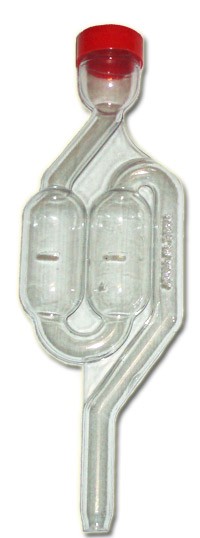
- Vessels: use a sealed fermenter or carboy equipped with an airlock filled with water to block oxygen contact.
Racking, Clarification, and Maturation
Dryness is reached once sugar falls to 0.5 °Brix or a specific gravity of 0.998 SG.
Post-fermentation processing proceeds as follows:
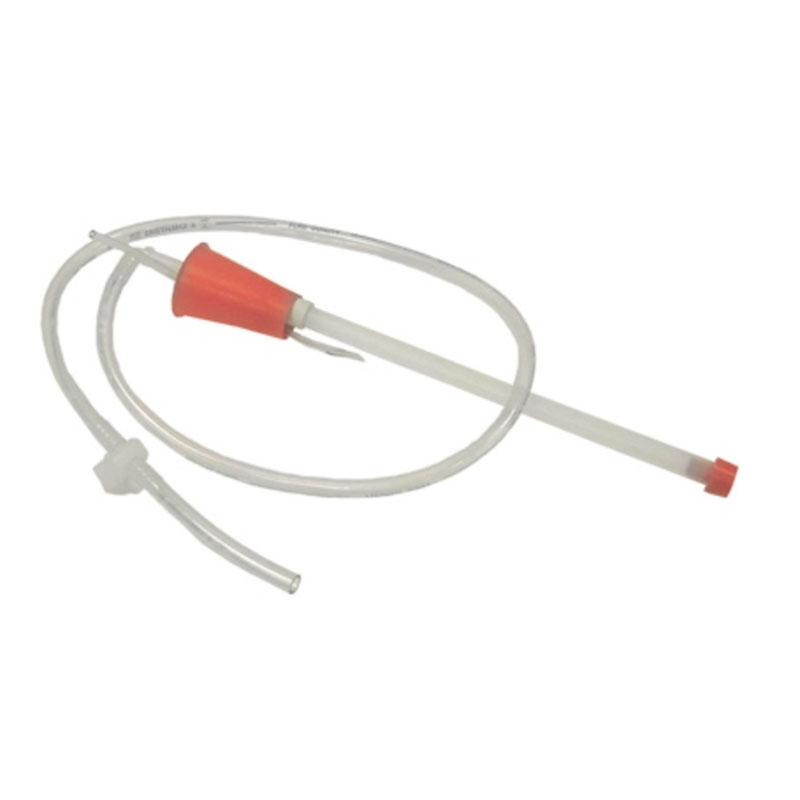
- First racking: let the wine settle for 24 hours after fermentation, then siphon it using a clear 12 mm hose.
- Second racking: decant again 10 days after the initial transfer.
- Topping up: fill the receiving carboy to the neck with a similar dry wine or juice to minimize headspace and prevent oxidation.
- Clarification period: whites clarify in the carboy for about 3 months, while reds require approximately 6 months.
Bottling and Final Cellaring
Before bottling, sanitize corks in hot water containing 1 teaspoon of metabisulfite. Siphon wine into bottles, leaving a headspace of approximately 5 cm (2 inches) from the surface to the top of the neck.
Cellar sealed bottles before serving: whites need at least 3 months, while reds should mature for a minimum of 6 months.
Frequently Asked Questions
How many kilograms of grapes are needed for 1 liter of homemade wine?
Since 8.2 kg of grapes yields around 3.8 L of finished wine, you will need approximately 2.15 kg of grapes for 1 liter.
How can you tell if homemade wine has fermented completely dry?
Wine has fermented to complete dryness when hydrometer readings reach 0.5 °Brix or a specific gravity of 0.998 SG.
Why must grape stems be removed before crushing?
Stems must be removed because they impart harsh bitterness, raise must pH, and introduce unwanted rough tannins.
Why is wine topped up to the neck during secondary aging?
Carboys are topped up with similar dry wine or juice to eliminate the air space and prevent oxidation during quiet maturation.