

The Essence of BIAB: Single-Vessel Brewing Advantages
Originating in Australia, the BIAB approach serves as a streamlined all-grain brewing technique designed to ease the shift from extract kits without the need for expensive three-vessel systems. Instead of employing separate mash tuns, hot liquor tanks, and boiling kettles, the entire mashing and boiling routine takes place in a single pot.
The mash is conducted using the full volume of water, calculated to account for grain absorption. Eliminating the sparging stage saves anywhere from 15 minutes to over an hour of brew day time. Furthermore, bypassing a traditional grain bed filter prevents stuck sparges entirely, even when utilizing sticky adjuncts such as wheat or rye.
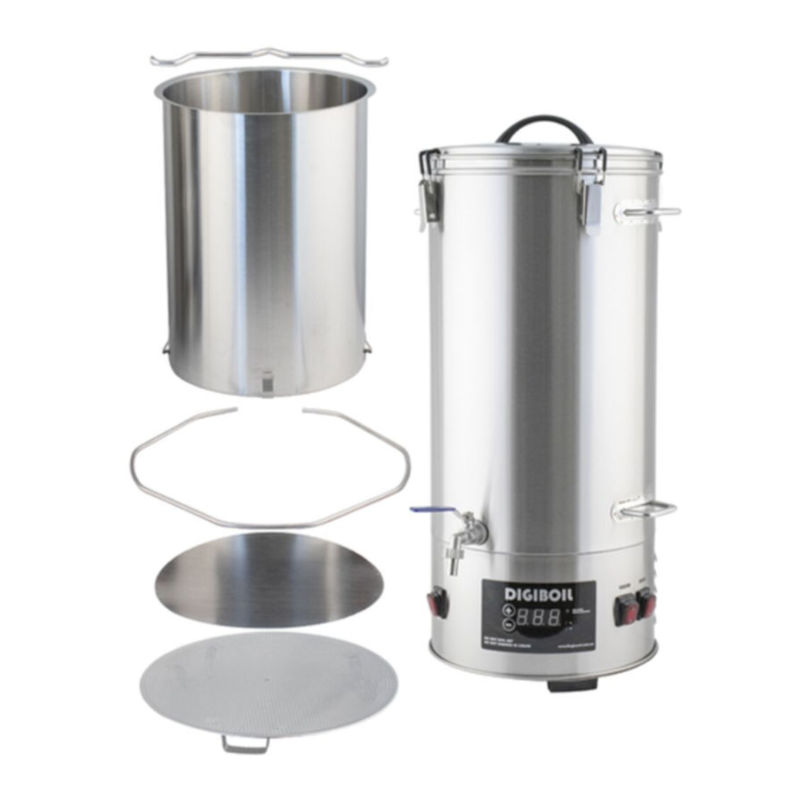
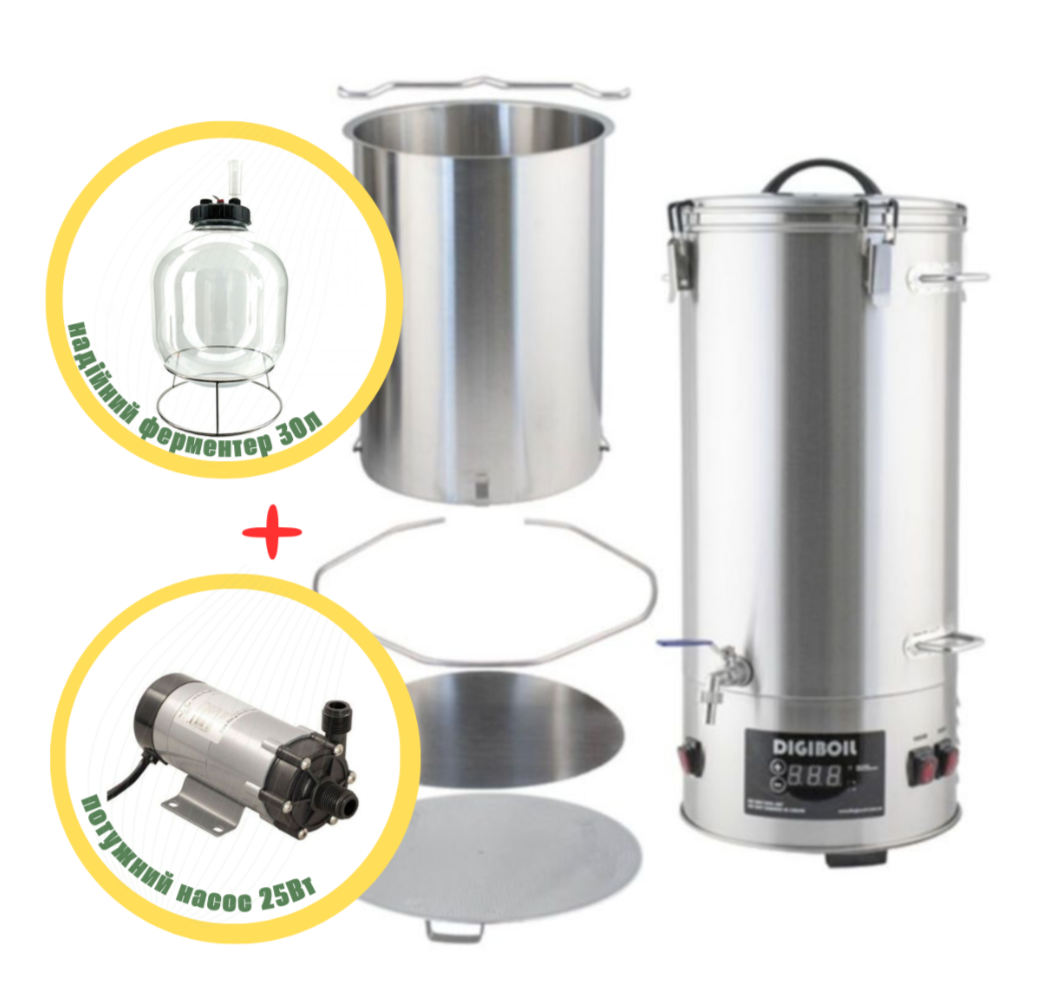
Due to the total liquid requirement, single-vessel setups demand increased kettle volume. Preparing a standard 19-liter batch often requires a pot with up to 57 liters of capacity. For home setups, an electric brewery DigiBoil 35L provides ample headspace to manage common grain bills effectively.
Essential Equipment: Bags, Kettles, and Lifting Gear
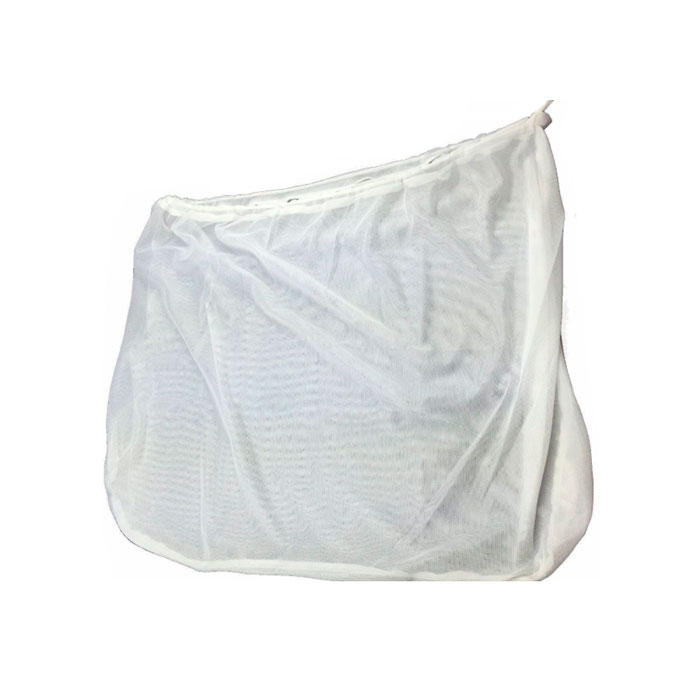
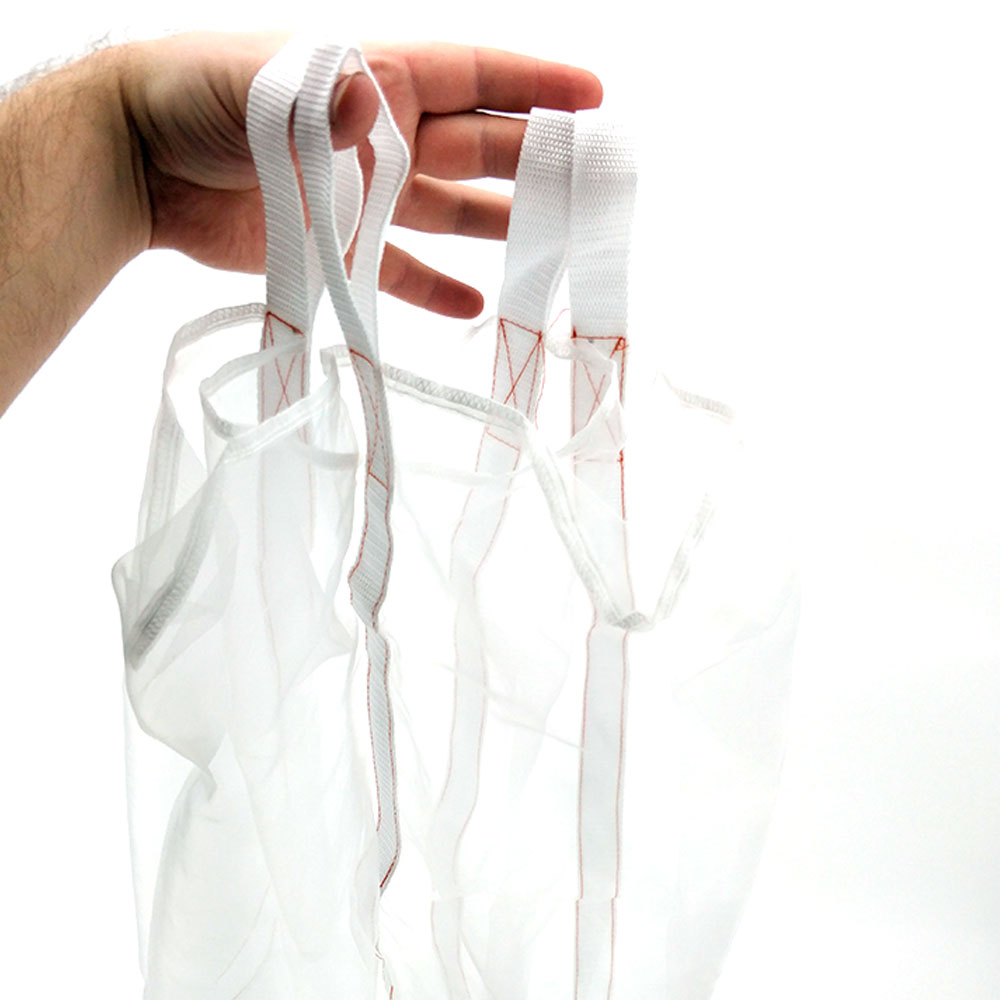
The core requirement for this technique is a durable mesh filter. Depending on kettle dimensions, brewers typically select either a malt mashing bag 70x85cm or a malt mashing bag 80x50cm to secure the grain inside the vessel throughout the heating process.
Once mashing concludes, saturated grain becomes heavy to manage manually. Pulleys, winches, or suspension hooks are frequently positioned above the kettle to suspend the wet bag while the wort drips out.
Liquid Mash Dynamics and BIAB Efficiency
Standard mashing usually involves a water-to-grain ratio of 2.6–4.1 L/kg, whereas single-vessel brewing ratios exceed 6.2 L/kg. Modern malts possess abundant enzymatic power, meaning dilution does not hinder the breakdown of starches into fermentable sugars.
A full volume of water maintains continuous immersion across the grain grist. Research indicates that raising the liquor ratio from 2 to 4 L/kg increases mash extract yield from 71.7% to 80%, while thicker mashes actually suppress starch conversion. Kai Troester's experiments demonstrated a 68% brew efficiency at 5 L/kg, outperforming traditional dense mashes (2.57 L/kg) that reached 58–60%.
| Water-to-Grain Ratio (L/kg) | Extract Yield / Efficiency | Process Notes |
|---|---|---|
| 2.0–2.57 | 58–71.7% | Traditional thick mash, enzyme inhibition |
| 4.0 | 80.0% | Increased extract yield |
| 5.0–6.2+ | 68% and above | Continuous contact, no-sparge single kettle |
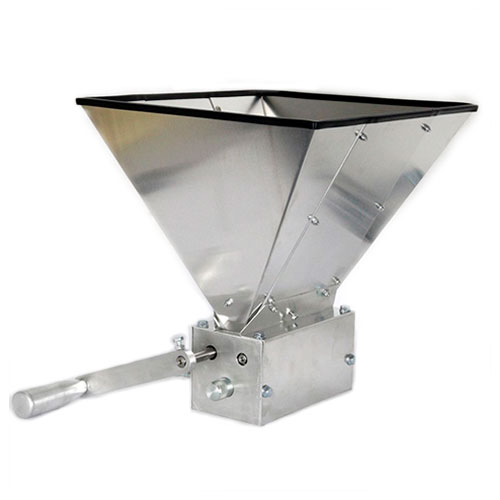
To offset the absence of sparging, brewers rely on a much finer grain crush. The fabric mesh contains fine grist particles without clogging. When calculating target original and final gravity (OG/FG), precise grain absorption estimates ensure repeatable outcomes.
Impact of Dilution on Attenuation, Body, and pH Control
A thin mash profile does not produce watery beer. Yeast attenuation at standard temperatures mirrors that of traditional setups. Mashing at 64 °C shows virtually no variance in final gravity across different water volumes. When mashed at 70 °C, increasing the ratio to 4 L/kg slightly lowers fermentability by a few percent, contributing additional body to the finished product.
Managing mash acidity requires closer observation. Because a large volume of water challenges the natural buffer capacity of pale malts, measuring pH remains essential. Target levels fall between 5.2 and 5.6. To bring pale grists within this window, brewers apply specific adjustments:
- Lactic acid — liquid solution for fast mash acidification;
- Phosphoric acid — clean alternative for precise pH reduction;
- Acidulated malt — specialized grain used directly in the grist.
Roasted and dark specialty grains contribute natural acidity, typically bringing the mash into the target range without supplemental acids.
BIAB vs. Automated All-in-One Systems
Fabric filter bags present a low-barrier path to all-grain mashing in simple stockpots. In contrast, modern single-vessel automated platforms, such as the BrewZilla 4G 35L nano brewery set with steam condenser or the Grainfather G70v2 mini brewery, use stainless steel malt pipes and integrated pumps to continuously recirculate the wort.
With a fabric bag, the grain is pulled and drained by gravity or manual pressing, whereas automated systems cycle the liquid continuously over the grain bed. Choosing a mesh bag delivers genuine all-grain results with minimal equipment expense.
Frequently Asked Questions
Should you squeeze the grain bag after mashing?
Suspending the bag over the kettle to allow liquid to drain under gravity is sufficient.
How do you measure and lower mash pH in BIAB?
Mash acidity is measured using a pH meter, aiming for 5.2–5.6. To lower the pH in high-volume liquor, brewers dose with lactic acid, phosphoric acid, or blend acidulated malt into the grist.
Why is a finer crush recommended for BIAB?
A finer crush speeds up conversion and offsets the lack of sparge water. The fabric mesh holds small grist particles securely, eliminating the risk of a stuck mash.
Will beer brewed with a thin mash end up watery?
No, ratios over 6.2 L/kg do not lead to a thin body. Fermentability matches traditional mashes at standard pauses, and higher pauses around 70 °C can yield slightly fuller mouthfeel.