

Why Prepare Brewing Water and What the Blank Slate Provides
Water constitutes 90 to 95% of finished beer and remains largely unchanged in the final product, directly shaping the overall flavor. Relying on municipal tap supplies introduces substantial variables. City water reports frequently lack vital ion concentrations, and open water reservoirs suffer from seasonal variations. Furthermore, the presence of chlorine and chloramines introduces medicinal off-flavors that cannot be covered up by specialty malt or hops.
Standard tap supplies typically carry 300–500 ppm total dissolved solids (TDS). Stripping out mineral ions to achieve a delicate lager profile is impossible without thorough demineralization. A reverse osmosis system drops TDS levels to 1–10 ppm, reducing individual ion readings to single-digit ppm values. This produces a reliable blank slate, chemically equivalent to distilled water, eliminating unpredictability and allowing the brewer to assemble the target ion profile from scratch.
Brewers utilizing malt concentrates must note an important operational rule: dry and liquid malt extracts already contain all residual minerals from the original mash. Reconstituting extracts requires purely demineralized RO water without supplementary brewing salts to prevent excess minerality in the glass.
Reverse Osmosis for Brewing: Equipment Selection and Operation
To establish a consistent brewing base at home, specialized filtration hardware is required. System configurations can be sourced from reverse osmosis systems (RO/UF). Units featuring 5–7 filtration stages are recommended for brewing applications to reliably eliminate suspended particles, residual disinfectants, and heavy carbonates.
Membrane output is specified in gallons per day (GPD):
- 50 GPD membranes — the minimum recommended baseline for homebrewing, which requires a storage tank to gather the necessary volume.
- 100 GPD membranes — deliver approximately 15.9 liters of purified water per hour, reducing waiting times.
- Tankless systems from 400 GPD — provide high-flow delivery, allowing direct vessel filling on brew day.
Adhering to a maintenance schedule preserves membrane integrity: the water purification category provides replacement pre-filter cartridges, which must be swapped every 6 months, while the RO membrane itself lasts between 2 and 5 years. Because an all-grain batch requires separate mash and sparge volumes, employing an accumulation tank ensures all water is prepared ahead of time.
Six Key Ions: How Minerals Shape Beer Flavor and Chemistry
Mash performance and palate sensations are determined by six essential ions quantified in mg/L (ppm). Each mineral fulfills a specific biochemical or sensory task:
- Calcium (Ca²⁺) — recommended at 50–150 mg/L with a mandatory 50 mg/L threshold. Calcium drives mash pH down, stabilizes enzymes, aids kettle protein coagulation, and promotes yeast flocculation. Exceeding 200 mg/L introduces a harsh chalky character.
- Sulfate (SO₄²⁻) — target range sits at 50–150 mg/L (up to 350 mg/L for IPAs). Sulfate sharpens bitterness and promotes a clean, dry finish. Concentrations above 400 mg/L produce astringency.
- Chloride (Cl⁻) — standard range is 50–150 mg/L (up to 200–250 mg/L). Chloride accentuates malt sweetness, rounds out mouthfeel, and enhances body. Levels above 200 mg/L create salty or medicinal notes.
- Magnesium (Mg²⁺) — serves as an essential yeast nutrient within 10–30 mg/L. Concentrations exceeding 30 mg/L lend a sour-metallic bitterness, while levels past 50 mg/L act as a laxative.
- Sodium (Na⁺) — targeted at 0–75 mg/L (under 50 mg/L for malty beers). In moderate doses of 40–100 mg/L, sodium rounds sweetness, but surpassing 150 mg/L in combination with sulfate yields an unpleasantly harsh mineral flavor.
- Bicarbonate (HCO₃⁻) — elevates alkalinity and buffers mash acidity. Light ales require 0–50 mg/L to prevent harshness, whereas dark roasted grains necessitate 100–200+ mg/L to prevent excessive acidification.
Balancing hop prominence against malt fullness is achieved via the SO4:Cl ratio. A 1:2 ratio suits juicy NEIPAs, values below 1.0 enhance maltiness, 1.0–2.0 provides balance, and ratios above 2.0 (up to 3:1 for crisp West Coast IPAs) deliver a clean, assertively dry bitter punch. Residual alkalinity (RA), calculated from bicarbonate against calcium and magnesium contributions, must remain neutral to negative for pale malt bills, while dark roasted malts demand positive RA (+100 to +200) to protect the mash window.
Guide to Brewing Salts and Water Additions
Constructing target profiles requires dry, anhydrous brewing salts. Because each salt simultaneously introduces two different ions, formulating exact amounts represents a linear optimization problem resolved via least squares calculations in specialized brewing applications like Brewfather.
Key brewing additions include:
- Gypsum (calcium sulfate, CaSO₄) — adding 1 g per gallon contributes 62 ppm calcium and 147 ppm sulfate, driving the hop profile.
- Calcium chloride (CaCl₂) — adding 1 g per gallon yields 72 ppm calcium and 127 ppm chloride, enhancing malt roundness.
- Baking soda (sodium bicarbonate, NaHCO₃) — dissolves rapidly in demineralized water and safely raises mash alkalinity for stouts.
- Chalk (calcium carbonate, CaCO₃) — introduces 105 ppm calcium and 161 ppm bicarbonate per g/gallon, but dissolves poorly without carbon dioxide bubbling, making baking soda the preferred alternative.
- Epsom salt (magnesium sulfate, MgSO₄) — utilized for precise adjustments of magnesium and sulfate targets.
- Non-iodized table salt (NaCl) — deployed to supply sodium and chloride independently of mash acidity.
Flavor-enhancing additions can be added directly to the boil kettle, allowing profile tailoring without disturbing mash pH.
Classic and Modern Brewing Water Profiles: Reference Table
Data compiled by Brewfather outlines proven ion concentrations (mg/L or ppm) across world brewing centers. Broader ingredient interactions are detailed in our reference piece "Beer Ingredients from A to Z".
| Profile | Ca | Mg | Na | SO₄ | Cl | HCO₃ |
|---|---|---|---|---|---|---|
| RO / distilled water | 0 | 0 | 0 | 0 | 0 | 0 |
| Pilsen (Czech pilsner) | 7 | 2 | 2 | 6 | 5 | 16 |
| Munich (dark lager) | 75 | 18 | 2 | 10 | 2 | 152 |
| London (porter, mild) | 70 | 6 | 15 | 40 | 38 | 166 |
| Dublin (stout) | 115 | 4 | 12 | 53 | 19 | 315 |
| Edinburgh (Scottish ale) | 125 | 25 | 55 | 140 | 60 | 225 |
| Burton-on-Trent (IPA, bitter) | 295 | 45 | 55 | 725 | 25 | 320 |
| Yellow Balanced (balanced) | 50 | 10 | 25 | 75 | 65 | 50 |
| Yellow Hoppy (modern IPA) | 75 | 10 | 10 | 150 | 50 | 0 |
City profiles serve as historical references rather than absolute rules. The practical approach involves tailoring the water to the recipe using RO water as a foundation. For instance, brewing with brewing malt Premium Pilsner (Weyermann) 25 kg requires soft, minimally mineralized water, whereas pale ales require substantial gypsum additions.
Managing Mash and Water pH: Accurate Measurement and Correction
The optimal mash pH window spans 5.2–5.6 (detailed enzymatic conversion behavior is explored in "Mashing Malt"). Moving above 5.6 leaches astringent grain husk tannins, while dropping below 5.0 suppresses enzymatic breakdown. All readings must be performed at 20 °C, as hot mash samples (60–70 °C) register 0.2–0.35 lower than actual values due to temperature drift.
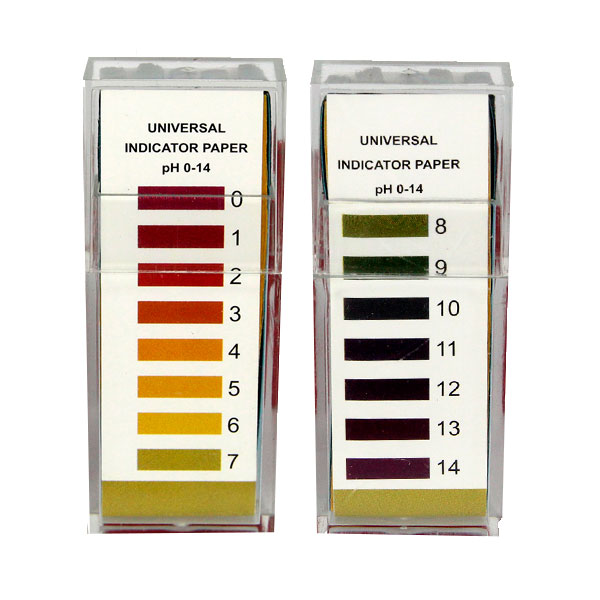
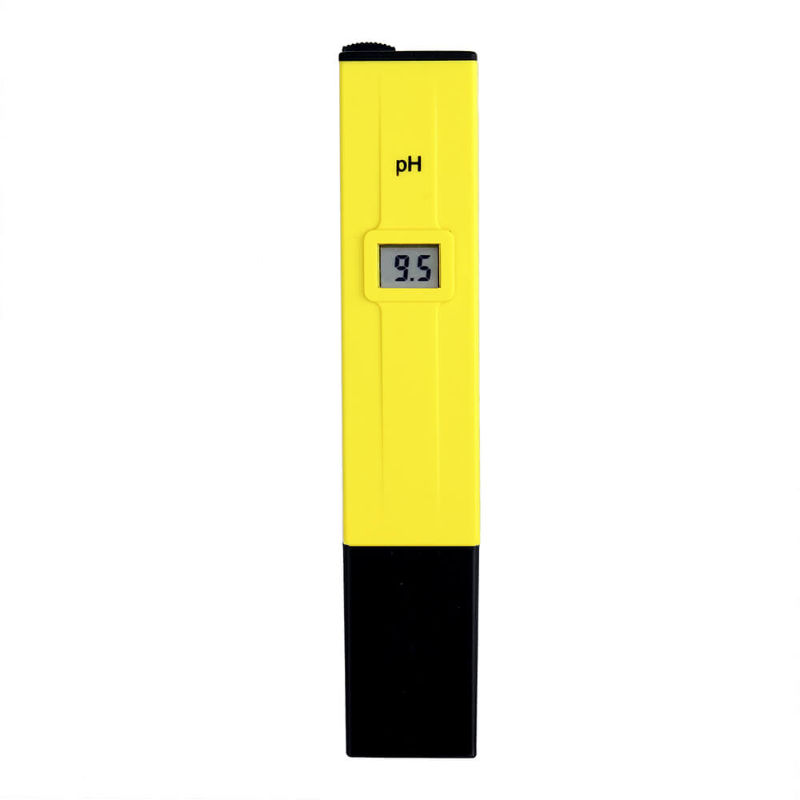
Monitoring is accomplished using test strips 0-14 PH - 100 pcs or calibrated digital instruments. Downward adjustments are achieved via:
- Lactic acid (80–88%) — brightens flavor and reduces alkalinity, though concentrations over 0.5 mL/L risk detectable taste impact.
- Phosphoric acid — completely neutral, adjusting acidity without leaving sensory traces.
- Acidulated grain — incorporating brewing malt Acidulated (Weyermann) -1kg up to 5% of the grist gently drops pH.
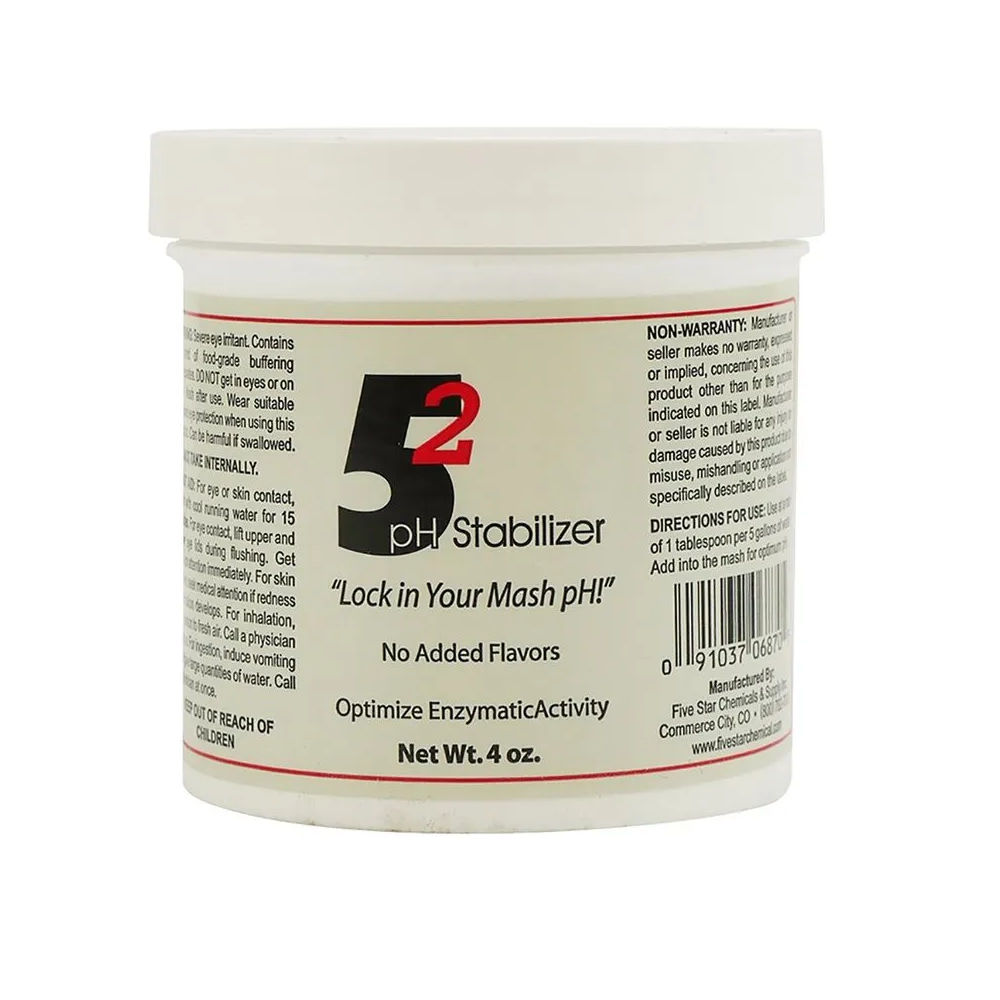
- Buffer blends — employing mash acid stabilizer 5.2Ph helps lock the conversion mash within the working target.
Sparging water must also be acidified to pH 5.5–6.0 to prevent the extraction of harsh polyphenols during grain bed rinsing.
Practical Workflow: Four Steps to Water Preparation
- Collect RO water ahead of time. Gather the calculated strike and sparge volumes the day before brewing, accounting for your system's output rate.
- Formulate salts in brewing software. Enter the grain bill into Brewfather, select your target style profile, and run the salt solver.
- Dissolve brewing salts. Weigh dry mineral additions on a precision scale and dissolve them into the strike volume prior to doughing in.
- Check and adjust mash pH. Draw a sample 10–15 minutes into the mash, cool it to 20 °C, verify the reading, and dose acid or base if needed.
Frequently Asked Questions
Can you brew beer exclusively on pure RO water without adding minerals?
Brewing entirely on unmineralized reverse osmosis water yields beer that tastes flat, thin, and lacking in depth. Furthermore, mash enzymes and kettle protein hot break require at least 50 mg/L of calcium to function effectively.
Should brewing salts be added to the total volume or split between mash and sparge water?
Brewing software typically divides additions proportionally between mash and sparge liquor. Alternatively, flavor-active ions such as sulfates and chlorides can be added directly to the boil kettle to adjust taste without affecting mash pH.
Why does measuring hot mash pH give inaccurate readings?
Hot mash samples tested at 60–70 °C read 0.2–0.35 pH lower than cooled samples. The industry standard 5.2–5.6 target is defined at room temperature (20 °C), making sample cooling mandatory before logging data.
Which acid is preferable for mash acidification: lactic or phosphoric?
Lactic acid (80–88%) contributes a fresh character, but exceeding 0.5 mL/L can leave noticeable flavor notes. Phosphoric acid is virtually flavor-neutral, lowering pH without altering finished beer taste.
What should you do if heavily roasted malts push mash pH below 5.2?
When dark malts drive acidity too low, the mash must be buffered upward using an alkaline addition. Adding calculated amounts of food-grade baking soda (sodium bicarbonate) quickly dissolves to bring the mash back into the target 5.2–5.6 range.