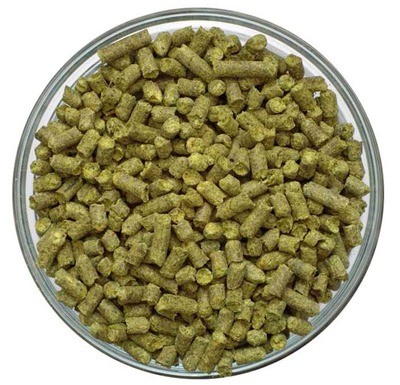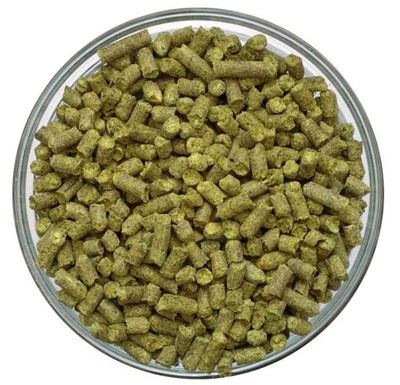


The Role of Hops in a Recipe: Resins, Acids, and Oils
Hop resins and essential oils form the foundation of beer flavor and aroma. Resins include alpha and beta acids, while essential oils such as myrcene and humulene shape the aromatic profile. Because all varieties contain these fundamental components, they share a similar baseline profile. Modern aroma cultivars are deliberately bred for low cohumulone levels, delicate aroma, and higher humulone proportions.
When deciding how to use hops for beer, brewers distinguish between specific addition stages:
- Bittering additions: boiling hops isomerizes alpha acids, but volatile aromatic oils boil off in the steam.
- Late additions: adding hops near the end of the boil preserves delicate essential oils.
The correlation between raw material composition and sensory outcomes is further examined in the guide on how to dry hop.
Selecting Hop Varieties for Specific Beer Styles
Beer styles rely heavily on the distinct characteristics of regional cultivars to achieve target balance:
- Traditional European lagers and pilsners: call for delicate, low-alpha options such as Saaz (Czech Saaz features 2.0–5.0% alpha and 7.0–8.0% beta acids), Perle, Sterling, or varieties described in Czech hops beyond Saaz.
- Classic British ales: built on earthy and herbal notes provided by Fuggle (4–5.5% alpha acids) and Kent Goldings.
- American and modern craft styles (APA, IPA): demand vibrant citrus, pine, and tropical aromas provided by Cascade (4.5–7% alpha acids), Citra (11–13%), Centennial (8.90%), Simcoe, and Galaxy (11.0–16.0% alpha acids). Vic Secret contributes pine and pineapple notes during late additions.
- Dual-purpose and clean bittering varieties: Magnum (11.0–16.0% alpha acids), Columbus (14.0–16.0%), and Galena (13.00%) provide versatile bitterness across multiple styles.
Bittering Strategies: Replacing Early-Boil Hops
When selecting a substitute for early boil additions, geographic origin is secondary to alpha acid concentration, which directly governs calculated IBU levels.
If the alpha acid percentage of the replacement differs from the recipe, the addition weight must be adjusted: multiply the target weight by the original alpha percentage, then divide by the replacement's alpha percentage. When intense bitterness is required without introducing off-flavors, high-alpha cultivars such as Apollo (18.0–21.0% alpha acids) or German Polaris (18.0–23.0% alpha acids) are effective choices.
Aroma Substitutions: Working with Delicate Profiles
For late and finish additions, alpha acid content is secondary to the essential oil profile and aromatic descriptors:
- Noble continental varieties: Hallertau, Tettnang, and Saaz can be substituted with Sterling, Vanguard, Santiam, or Mt. Hood.
- English heritage hops: First Gold serves as an established alternative to Kent Goldings, while Fuggle can be replaced by Willamette (4.50% alpha acids), Glacier, or Styrian Golding.
- American craft varieties: Cascade pairs well with Centennial, Amarillo (8.0–11.0% alpha acids), Ahtanum (5.7–6.3% alpha acids), or Mandarina Bavaria (7.0–10.0% alpha acids).
Distinctive craft varieties are difficult to replace directly. Using neutral blends in heavily hopped styles like IPAs risks muting signature hop character and flattening the aromatic profile.
Hop Substitution Chart and Action Plan
Any replacement guide serves primarily as a starting baseline. In particular, Cascade is not a true substitute for Citra: according to Beer Maverick, their aroma profiles are too different. Below is a reference hop substitution chart for standard brewing cultivars.
| Recipe Variety | Alpha Acids (%) | Viable Substitutes |
|---|---|---|
| Magnum | 11.0–16.0 | Northern Brewer |
| Saaz (Czech) | 2.0–5.0 | Sterling, Lublin, Vanguard, Mt. Hood |
| Fuggle | 4.0–5.5 | Willamette, Styrian Golding, Glacier |
| Kent Goldings | — | First Gold |
| Cascade | 4.5–7.0 | Amarillo, Centennial, Ahtanum, Summit |
| Citra | 11.0–13.0 | Mosaic, Centennial |
| Simcoe | 12.0–14.0 | Summit, Magnum |
| Mosaic | — | Citra, Simcoe |
| Amarillo | — | Cascade, Centennial, Simcoe |
| Galaxy | — | Simcoe, Citra, Amarillo |
| Centennial | — | Cascade, Chinook, Columbus |
Beer Maverick compares varieties by their aroma oil composition. By their analysis, Mosaic and Centennial are closest to Citra, while Cascade is too far off in aroma to substitute for Citra. Treat the table as a starting point and, when the swap matters, test it on a small batch.
Keep these rules in mind when adjusting a recipe:
- Identical varieties: Columbus, Zeus, and Tomahawk are different trade names for the exact same hop variety, carrying 14.0–16.0% alpha acids.
- Blending: neutral varieties can be replaced by combining two other neutral hops without disrupting the overall profile.
- Recipe adaptation: when an exact match is unavailable, adapting the recipe to accessible inventory is preferable to forcing an ill-fitting substitute.
Frequently Asked Questions
Does a replacement hop need to have the exact same alpha acid percentage?
No. For bittering additions, differences in alpha acids are resolved by recalculating the addition weight based on target IBUs. For late aroma additions, oil composition takes precedence over alpha acids.
Can I substitute a noble European hop with an American variety?
Only if the American variety shares a similar low-intensity profile, such as Sterling or Mt. Hood. Pungent, citrus-forward American hops will clash with the delicate balance of traditional continental lagers.
How do I adjust bittering hop weight if the substitute has different alpha acids?
Multiply the recipe weight by the original alpha acid percentage, then divide by the replacement hop's alpha acid percentage to maintain the intended bitterness balance.
Which hop varieties are the most difficult to substitute?
Cultivars with distinct, prominent profiles—such as Cascade, Centennial, Amarillo, Northern Brewer, and Sorachi Ace with its unique dill and lemon character—are the hardest to replace without noticeably altering the beer.